Agitated thin film evaporators since 2000 · ISO 9001:2015 certifiedViscous, heat-sensitive and fouling liquids · solvent recoveryDesign, supply, installation and maintenance from one team

ATFEagitated thin film evaporators

Acmefil · agitated thin film evaporators since 2000

Agitated thin film evaporators for liquids that foul, foam and thicken

A rotor spreads viscous, heat-sensitive and fouling feeds into a thin film on a heated wall, so the solvent leaves fast and the product sees the heat only briefly. Designed around your liquid and built by Acmefil in Ahmedabad.

  • ISO 9001:2015 certified manufacturer
  • Viscous, heat-sensitive and fouling liquids
  • Solvent recovery, concentration and drying to residue
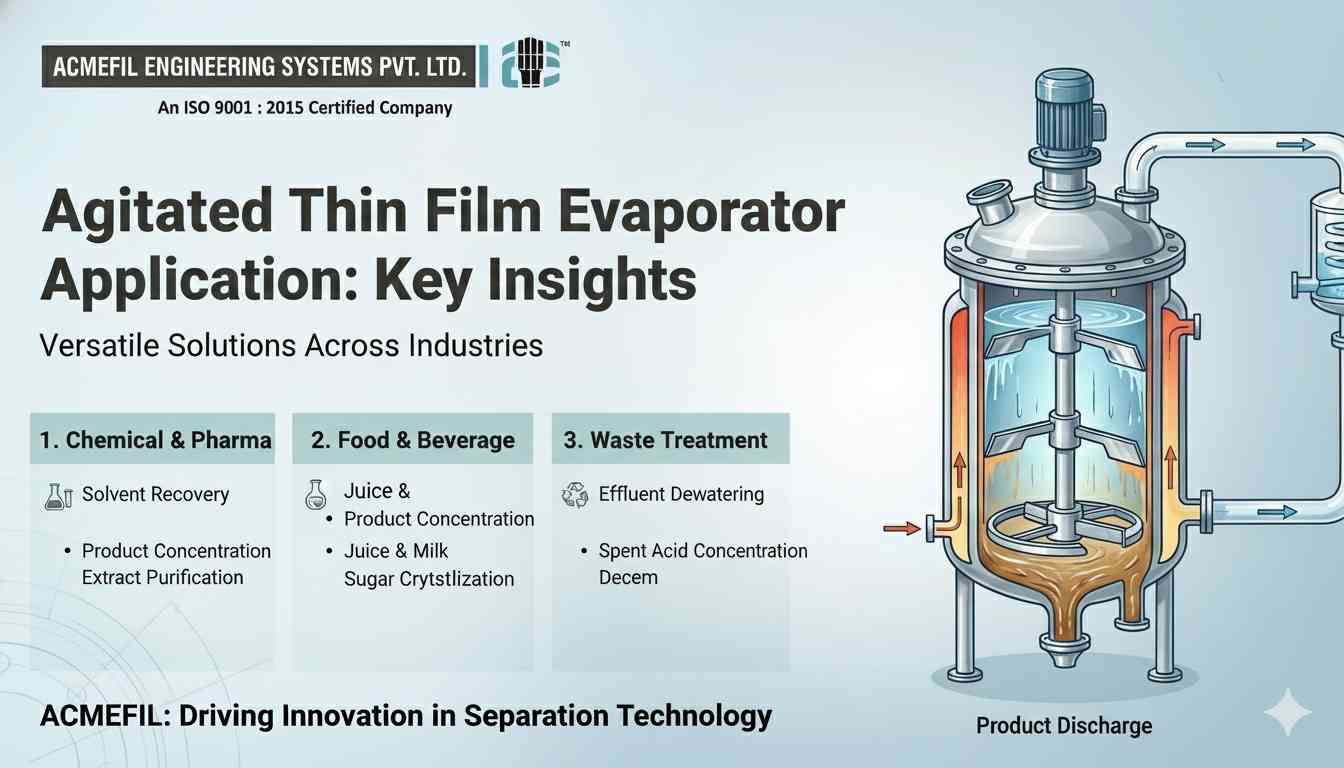
Animated agitated thin film evaporator: rotor blades spread the feed into a thin film on a heated wall, the vapor goes to a condenser and the concentrate leaves at the bottomDriveViscous feedSteam / hot oilCondensateVaporCondenserVacuumSolvent / waterConcentrate / residueRotor spreads a thin film
FeedSteamVaporConcentrate
24+Years of engineering
7evaporator types from one team
ZLDplants with evaporators, membranes and dryers
ISO9001:2015 certified

Trusted by manufacturers of chemicals, pigments, agrochemicals and more

  • Deepak Nitrite
  • IndianOil
  • HPCL
  • GSFC
  • Patanjali
  • Meghmani
  • Tagros
  • Gujarat Ambuja Exports
  • Varmora
  • Vega Chemicals, Jalgaon
  • K. Patel Chemopharma
  • KR Shrilaxmi Deals
  • Bhavani Industries
  • Mayur Dye-Chem
  • Jay Chem
  • Amazon Spices
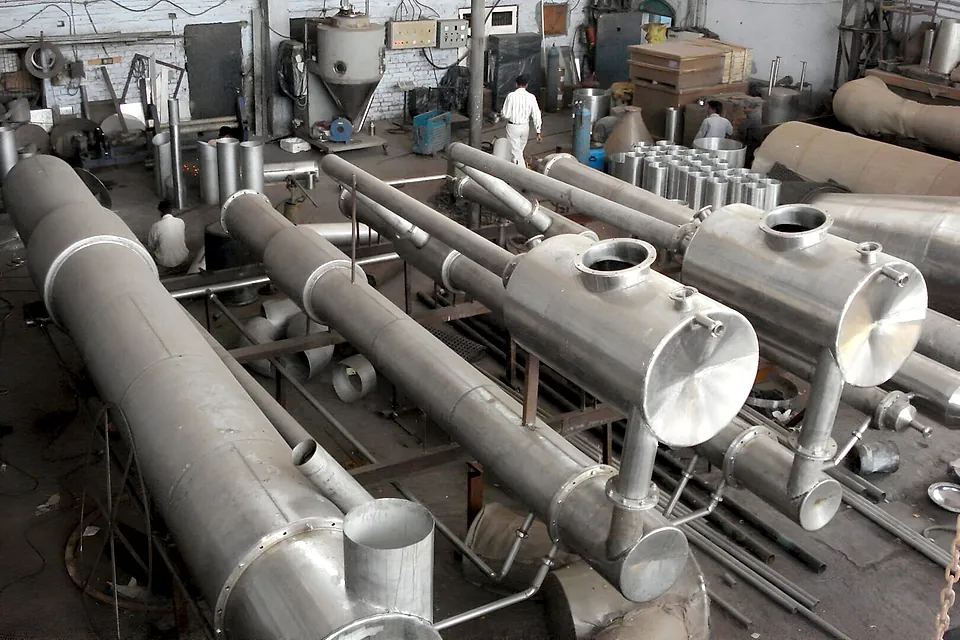
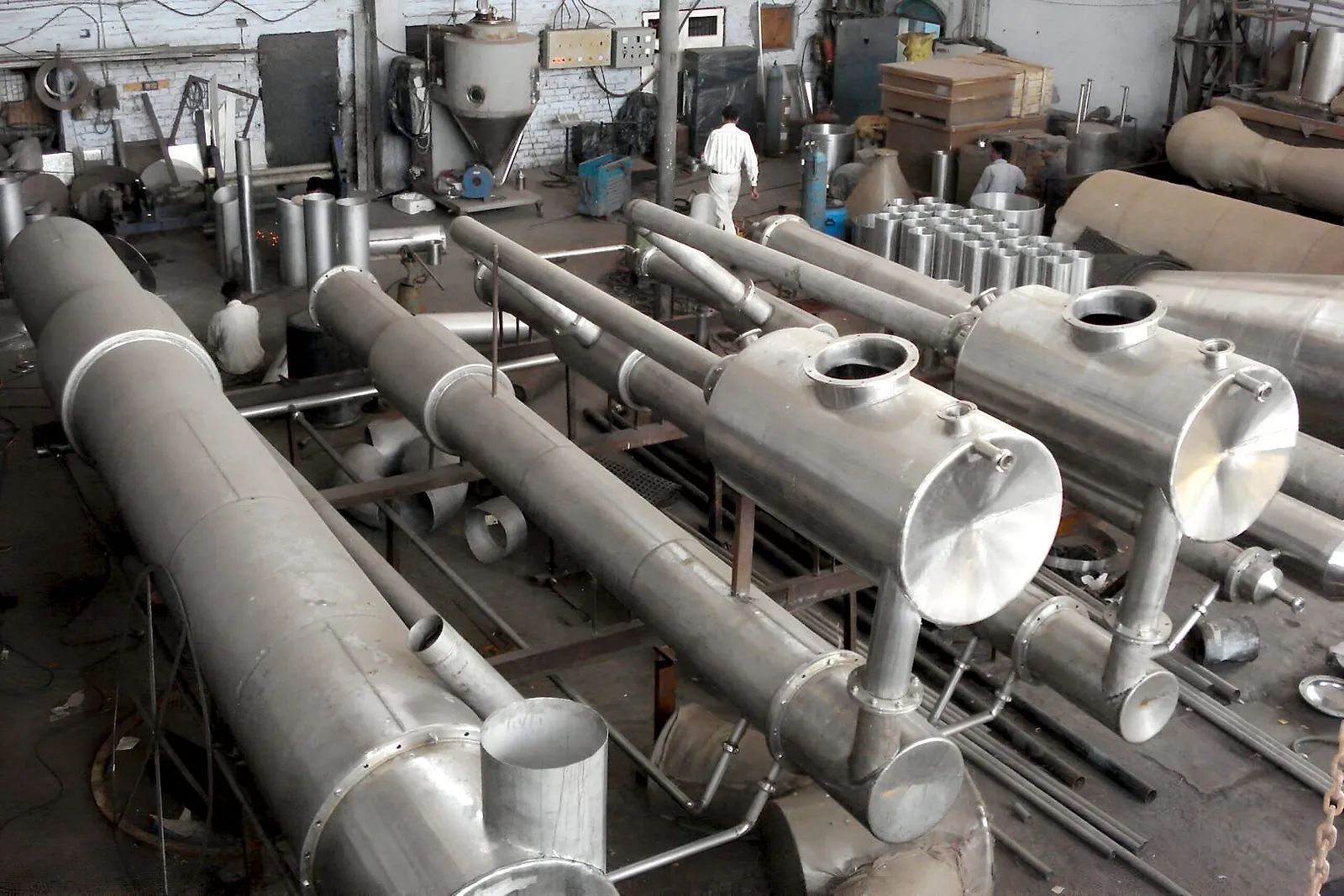
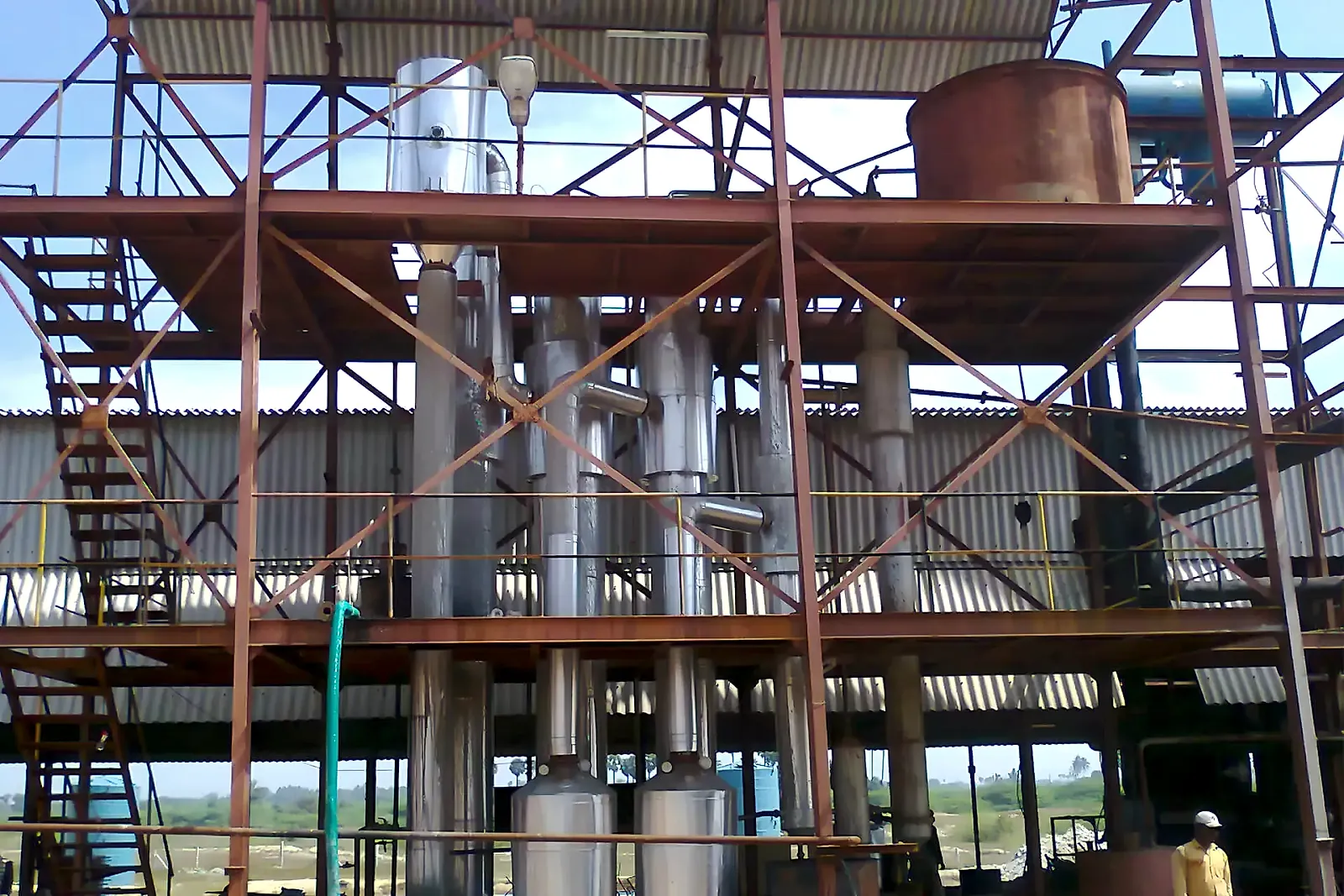
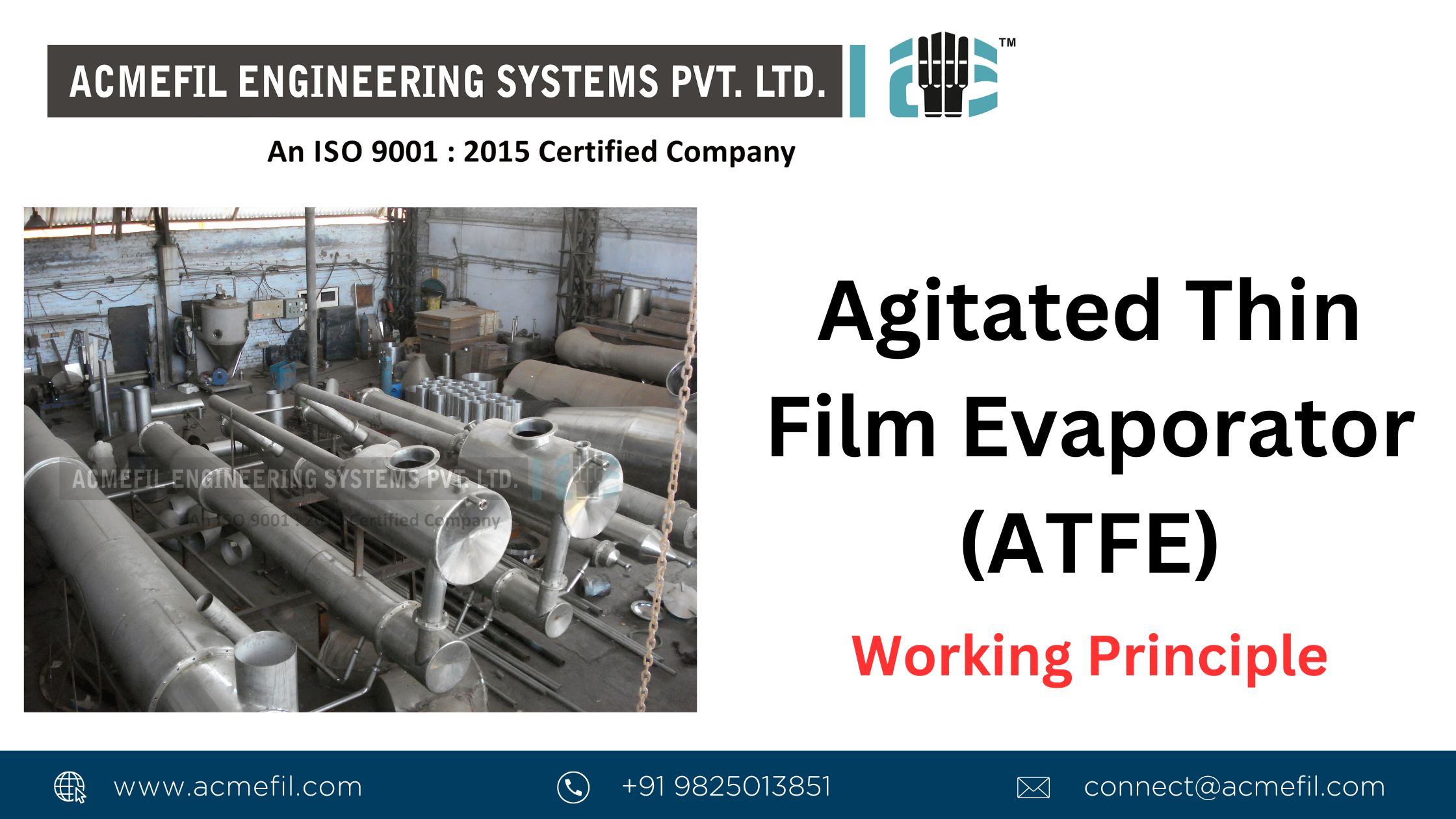
Acmefil agitated thin film evaporator bodies in fabrication

What is an ATFE?

A rotor, a heated wall and a very thin film

An agitated thin film evaporator spreads the liquid into a thin film on a heated wall with a rotating agitator. The solvent leaves quickly, the product spends little time at heat, and the blades keep the wall clean – so viscous, heat-sensitive and fouling liquids can be concentrated continuously.

It is also called an agitated thin film dryer (ATFD) when the duty is taken to a dried or highly concentrated product. Heat comes from steam, hot oil or electric heaters, and the vapor goes to a condenser, so solvents can be recovered.

  • Handles viscous, heat-sensitive and fouling feeds
  • Short residence time, continuous operation, compact design
  • Recovers solvents through the condenser
  • Designed around your liquid, built in Ahmedabad

How they work

See how an ATFE concentrates the liquid

Feed in, concentrate out. Pick a type and watch the film, the vapor and the heat.

Agitated thin film evaporator: rotor blades spread viscous feed into a thin film on a heated wallViscous feedSteam / thermic fluidCondenserSolvent / waterDry / concentrated product
FeedSteamVaporConcentrate

Acmefil

Agitated thin film evaporators (ATFE)

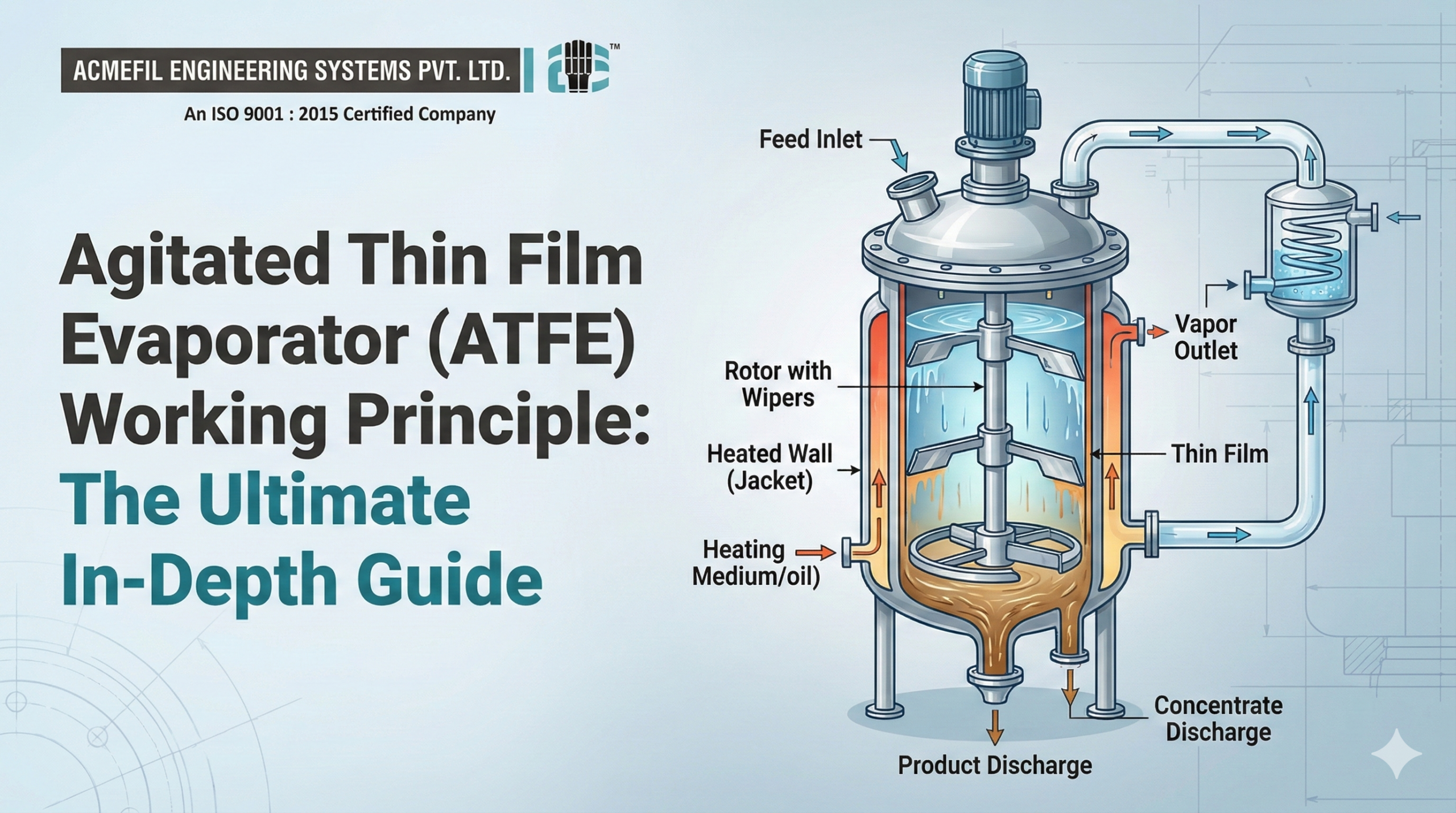
  1. The feed enters through the inlet at the top of the heated cylinder.
  2. Rotor blades spread it into a thin, uniform film on the heated wall and keep it moving, so the wall does not foul.
  3. Heat from steam, hot oil or electric heaters drives the solvent off; the vapor leaves through the vapor outlet to a condenser.
  4. The concentrated or dried product is discharged continuously at the bottom.
  • Viscous & fouling feeds
  • Heat-sensitive products
  • Solvent recovery

Typical use: Chemical and pharma concentration, solvent recovery, effluent concentrates

The ATFE and its neighbours

The right evaporator for your liquid

The agitated thin film evaporator and dryer, the thin film evaporator, and the falling film, forced circulation and multi-effect evaporators that often work alongside it.

ATFE finder

Is an ATFE right for your liquid?

Three quick questions for a starting point. If another evaporator, a dryer or a ZLD plant is the better answer, the finder says so.

1 · What is the liquid like?
2 · What matters most?
3 · How big is the duty?
Recommended starting point

Agitated thin film evaporators (ATFE)

Typical use:

General guidance only – the final choice depends on the feed, its viscosity, solids and fouling, the concentration you need and your steam and power. Our engineers confirm it on your process data.

Compare

The ATFE side by side with its neighbours

How the feed, film, residence time, fouling and footprint differ.

Agitated thin film (ATFE)Agitated thin film dryer (ATFD)Thin film (wiped film)Falling filmForced circulationMulti-effect
Best forViscous, heat-sensitive and fouling liquidsSolutions, slurries and suspensions that must leave dry or highly concentratedHighly viscous and heat-sensitive productsFree-flowing, heat-sensitive liquidsLiquids that scale or crystallizeLarge volumes of water-based liquids
How it worksRotor blades spread the feed into a thin film on a heated cylinder wall and keep it movingSame heated wall and rotor; the solvent is driven off until a dried or concentrated product is dischargedA rotating wiper or roller spreads the liquid into a thin film on a heated surfaceA thin film flows down inside vertical heated tubes under gravityA pump circulates the liquid through the heat exchanger; it flashes in the vesselVapor from one effect is the heating medium of the next effect, which runs at lower pressure
Residence timeShortShortVery shortShortModerateDepends on the effect type used
Fouling and viscosityHandles viscous and fouling feeds; the blades keep the wall cleanSuited to viscous, heat-sensitive and fouling materialsHandles high viscosity; the wiper prevents foulingMinimal fouling and scaling; not for very viscous feedsHandles scaling and fouling liquids efficientlyDepends on the type of effect (falling film, forced circulation and others)
Heat sensitivityGood – thin film, short contact with the heatGoodExcellent – low thermal degradationWell suited – gentle heat, short residence timeModerateDepends on the effect type
FootprintCompact, usually verticalCompact, usually verticalCompact, verticalTall, verticalHeat exchanger, vessel and pumpSeveral vessels in series
Main limitThe heated surface area limits capacityDepends on how the dried product flows outThe heated surface area limits capacityLess suited to viscous feeds or feeds that scale quicklyPump energy and maintenanceHigher capital cost, justified by steam savings on large duties
Typical useChemical and pharma concentration, solvent recovery, effluent concentratesDrying of chemical slurries, APIs, effluent residuesDistillation of heat-sensitive compounds, concentrating viscous solutions, solvent recoveryDairy and food, pharmaceuticals, chemical processingWastewater treatment, chemical manufacturing, brine concentrationSeawater desalination, juice concentration, wastewater treatment

Typical behaviour from industry practice; your liquid sets the real answer – use the finder or send us your process data.

Parts of the plant

What an ATFE plant is built from

Every part is sized for your liquid – from the rotor to the condenser.

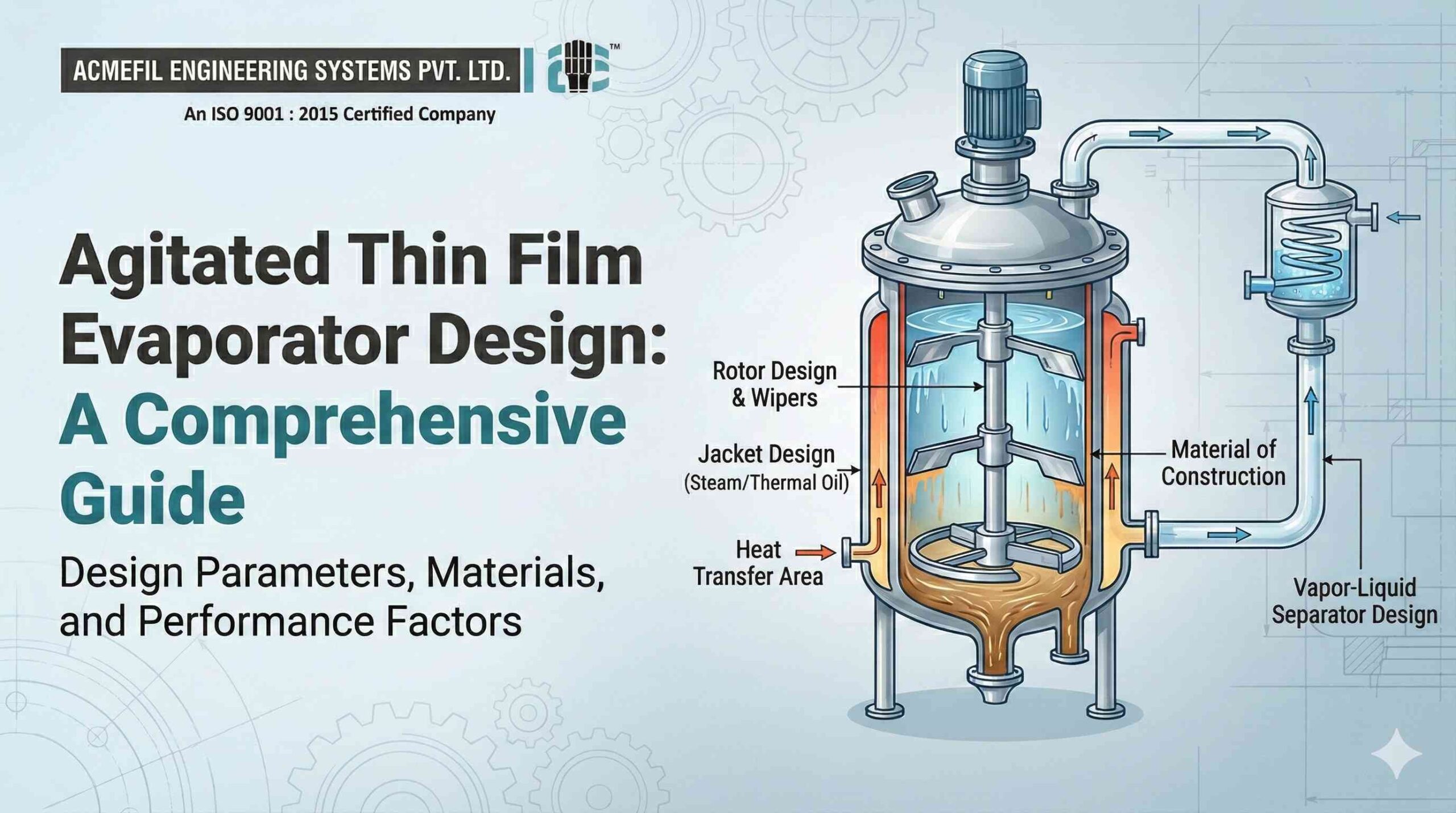
Heated cylindrical body

The main body forms and heats the thin film. It is jacketed for the heating medium.

Rotor with agitating blades

The blades spread the film evenly, keep it moving and stop it fouling the wall.

Feed inlet and distribution

Spreads the feed evenly onto the heated surface so every part of the wall works.

Heating system

Steam, hot oil or electric heaters supply the heat for evaporation.

Vapor outlet and condenser

The evaporated solvent leaves at the vapor outlet and is condensed for reuse or disposal.

Vacuum system

Lowers the boiling point so heat-sensitive products evaporate at gentler temperatures.

Product discharge system

Takes the concentrated or dried product away continuously.

Drive and controls

The rotor drive and PLC automation of feed, temperature, vacuum and rotor speed, with interlocks and alarms.

Agitated thin film evaporator: rotor blades spread viscous feed into a thin film on a heated wallViscous feedSteam / thermic fluidCondenserSolvent / waterDry / concentrated product
FeedSteamVaporConcentrate

Start with your liquid

A process study before you invest

We analyze the viscosity, thermal stability and fouling tendency of your product, then align the design with your production goals. You get the evaporator we recommend, the reasons, the alternatives we ruled out and a budget quote.

  • A recommendation on the evaporator type, with the reasoning
  • A budget quote and the scope we propose
  • The information we still need from your process

Why Acmefil

Engineering you can concentrate on

  • Since 2000 – more than two decades designing and building evaporators, dryers and concentrating plants in Ahmedabad.
  • Thin film and conventional evaporators, one team – so the recommendation is the evaporator that fits, not the one we happen to sell.
  • Designed around your liquid – dimensions, materials and features tailored to your viscosity, thermal stability and fouling.
  • ISO 9001:2015 quality – strict control from raw-material purchase to erection and commissioning.
  • Pilot to full scale – scalable solutions from pilot plants to full-scale production.
  • Complete scope – design, supply, installation, commissioning, training and after-sales support from one source, up to zero liquid discharge.
Acmefil agitated thin film evaporator bodies in fabrication
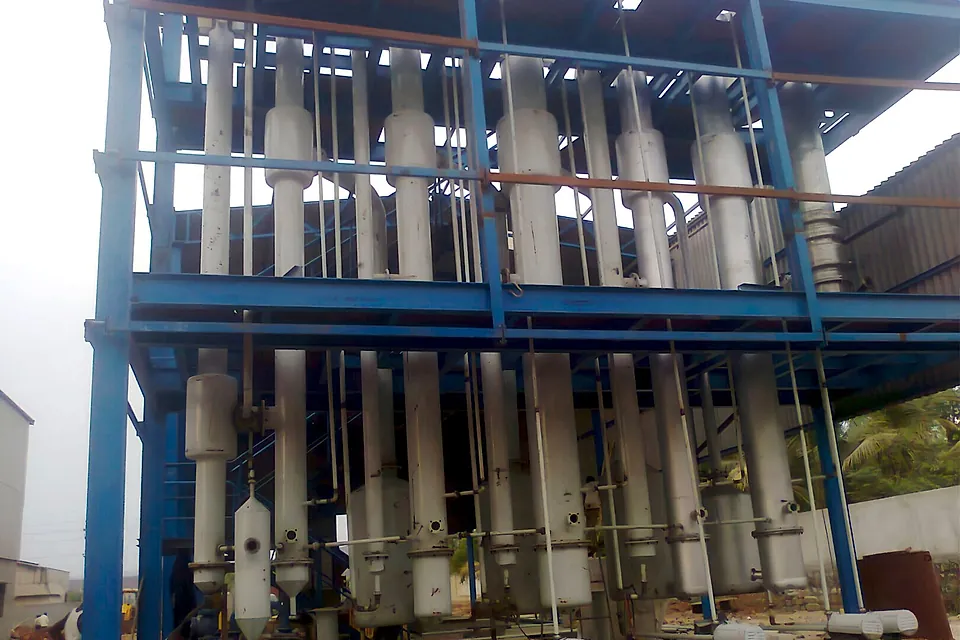
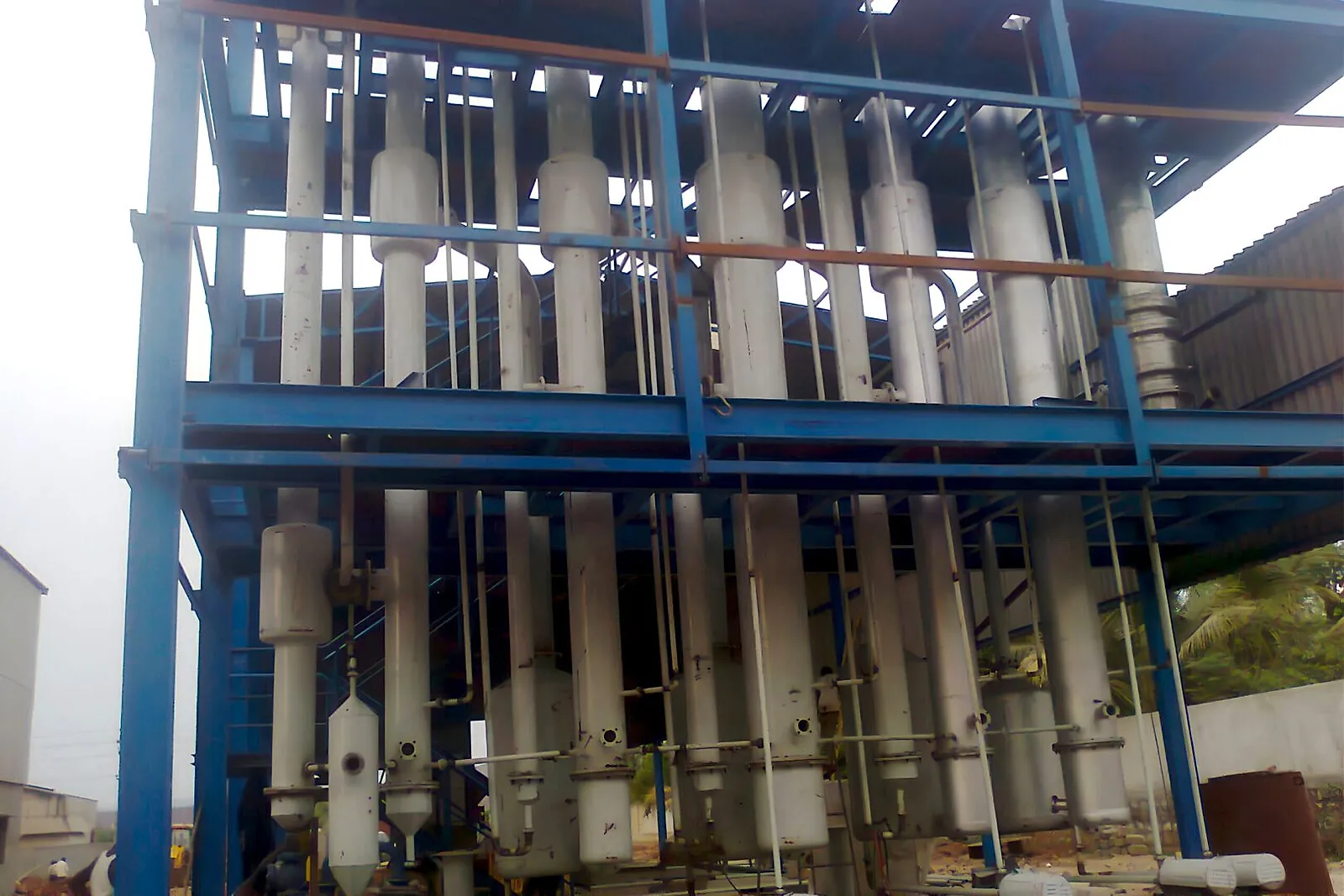
Acmefil falling film evaporator: vertical tube bundles and vapor bodies on a steel structure
ACME“the highest point of perfection”

FAQ

Agitated thin film evaporators, answered

What is an agitated thin film evaporator (ATFE)?

An agitated thin film evaporator, also called an agitated thin film dryer (ATFD), is a machine for the continuous processing of viscous, heat-sensitive and fouling materials. It removes solvents from solutions, slurries and suspensions. Our working principle article explains it in depth, and the machines are on acmefil.com.

How does an ATFE work?

The feed enters at the top of a heated cylinder. Rotor blades spread it into a thin film on the heated wall, the solvent evaporates, and the concentrated or dried product is discharged continuously at the bottom. The vapor goes to a condenser. Read the step-by-step how the ATFE works.

Which liquids suit an ATFE?

Viscous liquids, heat-sensitive products and feeds that foul or form deposits on a plain heated wall – in chemicals, pharmaceuticals, food ingredients, herbal extracts and effluent concentrates. See the applications article.

What is the difference between an ATFE and an ATFD?

They are the same technology. In practice “evaporator” describes a duty that leaves a thicker liquid, and “dryer” a duty that takes the product to a dried or highly concentrated residue. Our ATFD site covers the dryer side.

How is an ATFE different from a falling film evaporator?

A falling film evaporator lets a free-flowing liquid run down vertical tubes and suits large flows of liquids that are not very viscous. An ATFE adds a rotor so it can handle liquids that are viscous or foul the surface. On large duties the two are often used together, the falling film first and the ATFE for the thick end. See falling film evaporators.

Can I recover solvent with an ATFE?

Yes. The vapor leaves through a vapor outlet and is condensed, so the solvent can be collected and reused. Solvent recovery is one of the common duties of agitated thin film evaporators.

Free proposal

Tell us about your liquid. We will size the evaporator.

Share the liquid, its viscosity, the feed and target concentration and the flow – get an evaporator recommendation and a budget quote within one working day.

Secure form · we never share your details · reply within one working day

Call WhatsApp Get a Quote